GCC Resources
- Home
- Knowledge Hub
- GCC Markets

Best Free Zones in the GCC: A Strategic Guide for Businesses (2026)
Free zones across the Gulf Cooperation Council (GCC)—including the UAE, Saudi Arabia, Qatar, Bahrain, Oman, and Kuwait—have become central to the region’s economic diversification strategies. Designed to attract foreign investment, these zones offer tax incentives, full ownership rights, and simplified regulatory frameworks.
However, not all free zones are created equal. Choosing the right one depends heavily on your industry, growth plans, and target markets
What Makes GCC Free Zones Attractive?
Across the GCC, free zones share several core advantages:
- 100% foreign ownership
- Tax incentives (often 0% corporate tax in qualifying cases)
- Simplified company setup procedures
- Strategic geographic positioning for global trade The UAE alone hosts 40+ free zones with over 60,000 companies, contributing significantly to non-oil GDP.
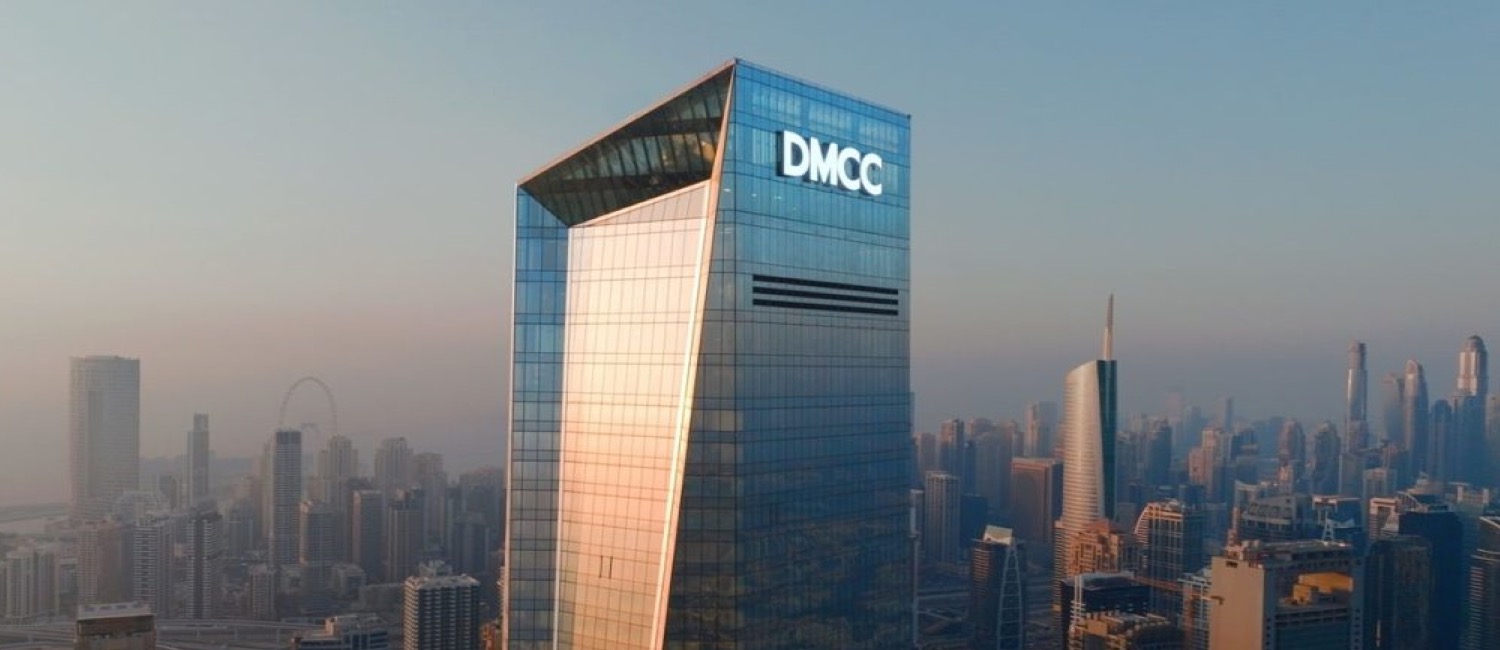
United Arab Emirates (UAE): The Regional Leader
The UAE remains the most mature and diverse free zone ecosystem in the GCC.
- Dubai Multi Commodities Centre (DMCC)
- Jebel Ali Free Zone (JAFZA)
- Dubai Airport Free Zone (DAFZA)
- Hamriyah Free Zone Authority (HFZA)
- Ras Al Khaimah Economic Zone (RAKEZ)
- Fujairah Free Zone Authority (FFZA)
- Ajman Media City Free Zone
Saudi Arabia: Emerging Economic Powerhouse
Saudi Arabia is rapidly developing Special Economic Zones (SEZs) aligned with Vision 2030.
- King Abdullah Economic City (KAEC)
- NEOM
- SPARK (King Salman Energy Park)
Other Freezones in GCC
Saudi Arabia is rapidly developing Special Economic Zones (SEZs) aligned with Vision 2030.
- Duqm Special Economic Zone (SEZAD) - OMAN
- Salalah Free Zone - OMAN
- Kuwait Free Trade Zone (KFTZ)
- Bahrain International Investment Park (BIIP)
- Qatar Free Zones (QFZ)