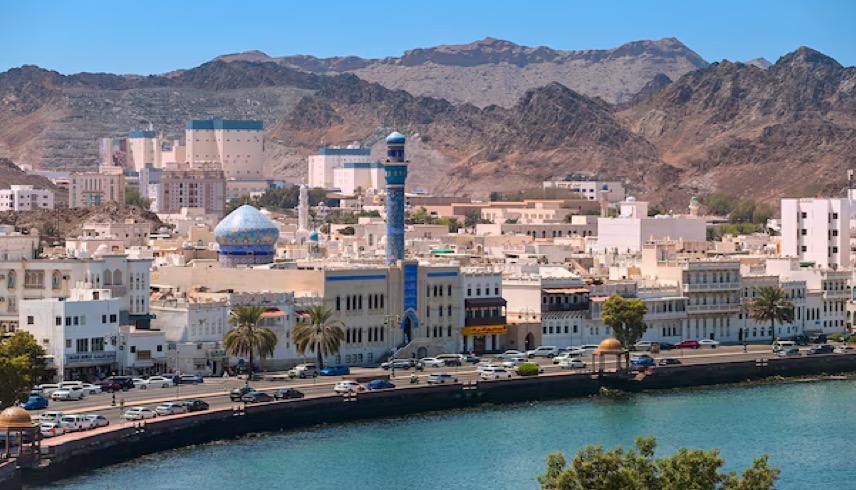
Oman
The business environment in Oman is smaller but highly stable and less competitive. Key opportunities lie in renewable energy and green hydrogen, as the country positions itself as a future energy exporter.
Visit Link ⟶
In recent years, the Gulf Cooperation Council (GCC) has emerged as a model of economic resilience and adaptability. The region has actively pursued diversification through transformative strategies such as Saudi Arabia's Vision 2030 and the UAE’s National Agenda. These efforts are intended to minimize reliance on oil revenues, bolster sectors like technology and healthcare, and attract substantial global investments. Launched in 2021, Saudi Arabia's National Investment Strategy envisions doubling annual investments to SAR 2 trillion by 2030 (30% of GDP).
One of the strongest reasons to consider GCC markets is the region’s shift away from oil dependency. Governments are actively investing in sectors such as tourism, logistics, financial services, renewable energy, and technology. Each GCC country has its own regulatory framework, licensing requirements, and business culture.
We support companies enter and scale in GCC markets, offering the entire market entry process—from strategy development and regulatory guidance to partner identification and execution. Our goal is to reduce complexity and help businesses establish a strong and sustainable presence in the region.

Countries like Saudi Arabia are actively diversifying away from oil under initiatives like Vision 2030. That means growth in sectors such as tourism, tech, and logistics—not just energy.

Geographically, the GCC sits at the crossroads of Europe, Asia, and Africa. This positioning has enabled it to become a major hub for aviation, logistics, and maritime trade.

Many GCC countries have low or zero personal income tax, and relatively business-friendly policies. That can boost corporate profitability and attract foreign companies.

The GCC is rapidly positioning itself as a hub for innovation. Investments in artificial intelligence, data infrastructure, and advanced connectivity are accelerating economic modernization.
The business environment in Oman is smaller but highly stable and less competitive. Key opportunities lie in renewable energy and green hydrogen, as the country positions itself as a future energy exporter.
Visit Link ⟶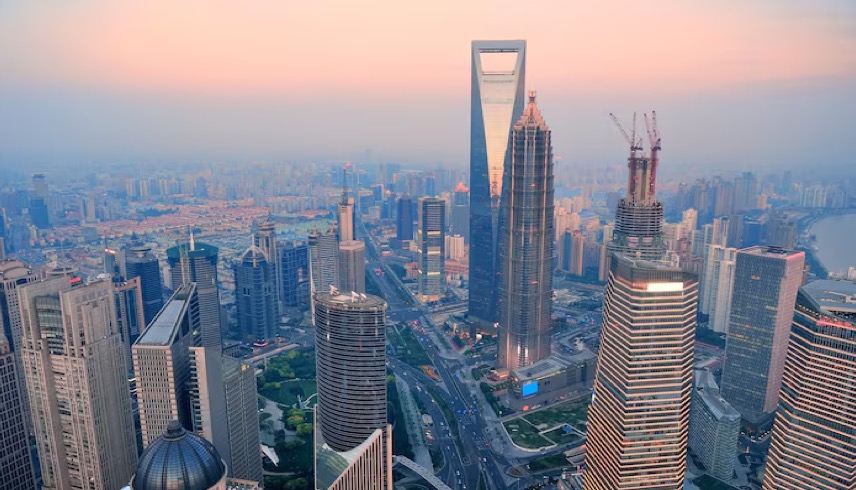
In Saudi Arabia, large-scale government-backed megaprojects such as NEOM, Qiddiya, and the Red Sea Project are creating strong demand in construction, infrastructure, and smart city technologies.
Visit Link ⟶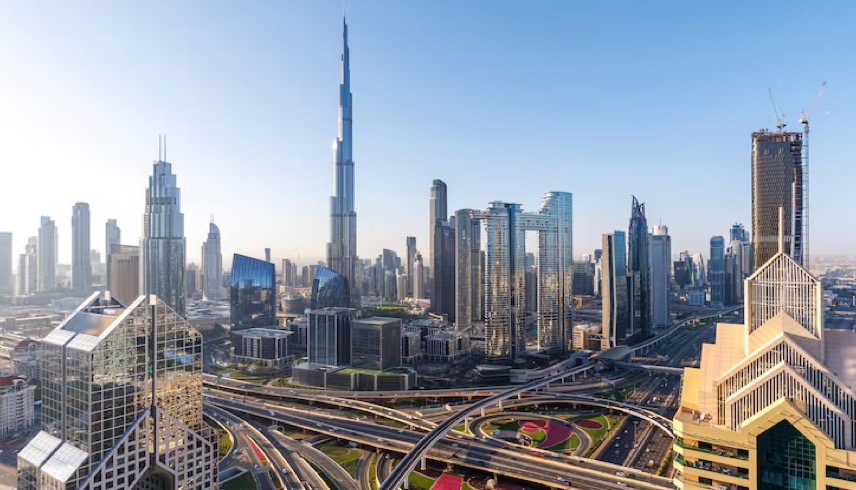
The United Arab Emirates remains the region’s most accessible and globally connected business hub for startups and service-based businesses. E-commerce, digital marketing, fintech, and real estate services.
Visit Link ⟶We've compiled a list of top Most Asked Questions from our prospecting clients at Business Expansions. If you have further questions or need more information about our services, send us your particular requirements via the Contact Us form.