Canadian Resources
- Home
- Knowledge Hub
- Canada

Trade Relations Between Canada and Europe
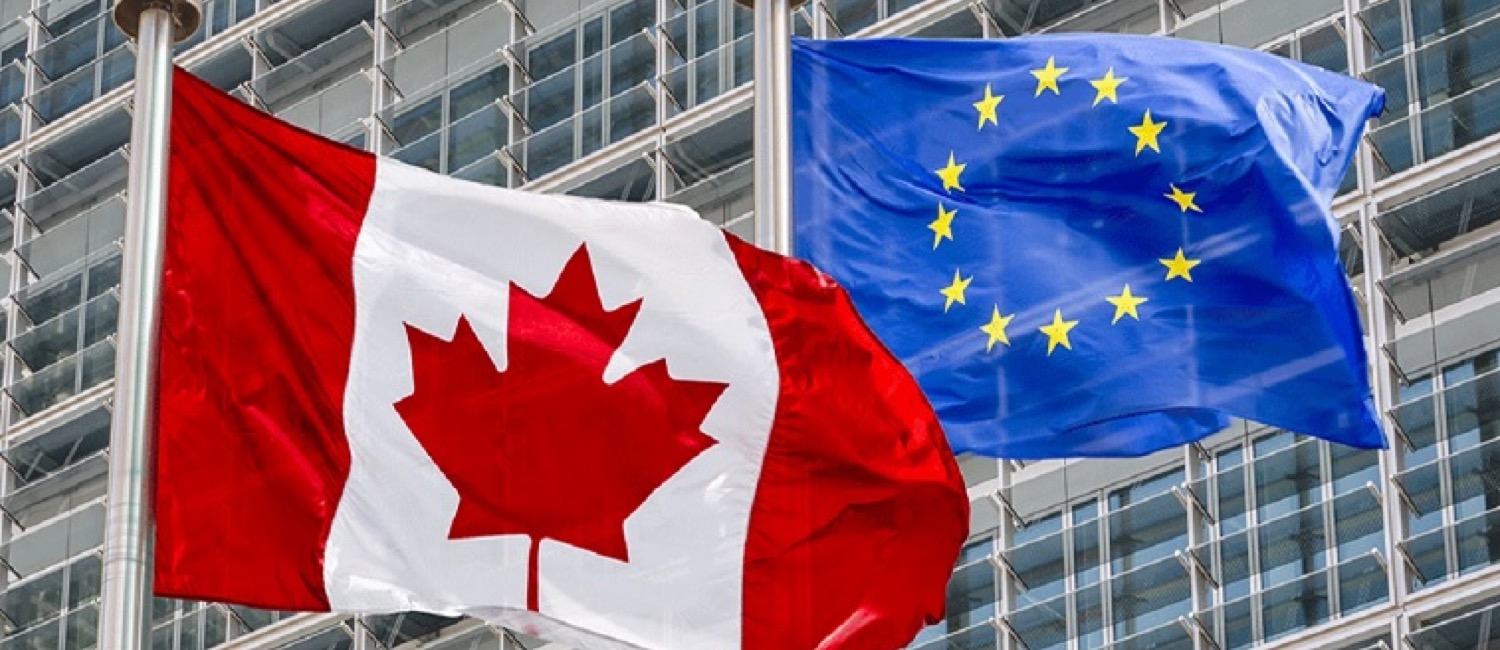
Trade relations between Canada and Europe have evolved into one of the more dynamic transatlantic partnerships, shaped by shared values, economic complementarity, and formal agreements—most notably the Comprehensive Economic and Trade Agreement.
Canada’s economic ties with Europe date back centuries, rooted in colonial-era trade with countries such as France and the United Kingdom. Over time, these relationships broadened into a diversified network involving the entire European Union (EU), which today represents one of Canada’s largest trading partners.
The Role of CETA
The centerpiece of modern Canada–EU trade relations is CETA, provisionally applied since 2017. The agreement significantly reduces tariffs, improves market access, and establishes common standards in areas like labor and environmental protection.
Key features include:
- Elimination of tariffs on approximately 98% of goods traded between Canada and the EU
- Greater access for Canadian firms to EU public procurement markets
- Enhanced protections for investors and intellectual property CETA has been particularly beneficial for sectors such as agriculture, manufacturing, and services, although it has also sparked debate over regulatory sovereignty and environmental standards in several EU member states.
Trade Volume and Key Sectors
The EU is consistently among Canada’s top trading partners, second only to the United States
Canadian exports to Europe:
- Natural resources (oil, minerals, timber)
- Agricultural products (wheat, seafood)
- Aerospace and machinery
- Automobiles and industrial equipment
- Pharmaceuticals and chemicals
- Luxury goods and consumer products
Future Outlook
Looking ahead, Canada and Europe are expected to deepen cooperation in emerging areas such as:
- Green technologies and renewable energy
- Digital trade and data governance
- Critical minerals for clean energy transitions
As both economies aim to reduce dependence on less stable markets, the Canada–EU partnership is likely to grow in both scope and strategic importance.